Learn German With Comprehensible Input
Stop overwhelming yourself with hard content. Learn how to find the 'just right' level of German input that actually sticks.
Published January 20, 2026 · By Nuru HasanovLearning German is a volume game. You need to pour enough of the language into your head until it starts leaking out of your mouth. But you have to pour it in at the right speed, or it just splashes off.
Here is how you do it without making your brain explode.

The "Just Right" Rule
Stop trying to be a hero. If you pick up a German newspaper and it looks like a collection of random letters, put it down. You aren't "challenging yourself," you're wasting time.
The Goal: You should understand the gist of what's happening.
The Test: If you read a page and can't tell me who is in the room or what they are doing, it is too hard.
The Sweet Spot: You know most of the words, but every sentence or two has a word that makes you go, "Huh, I wonder what that means?"
Get Your Hands on "Easy" Stuff
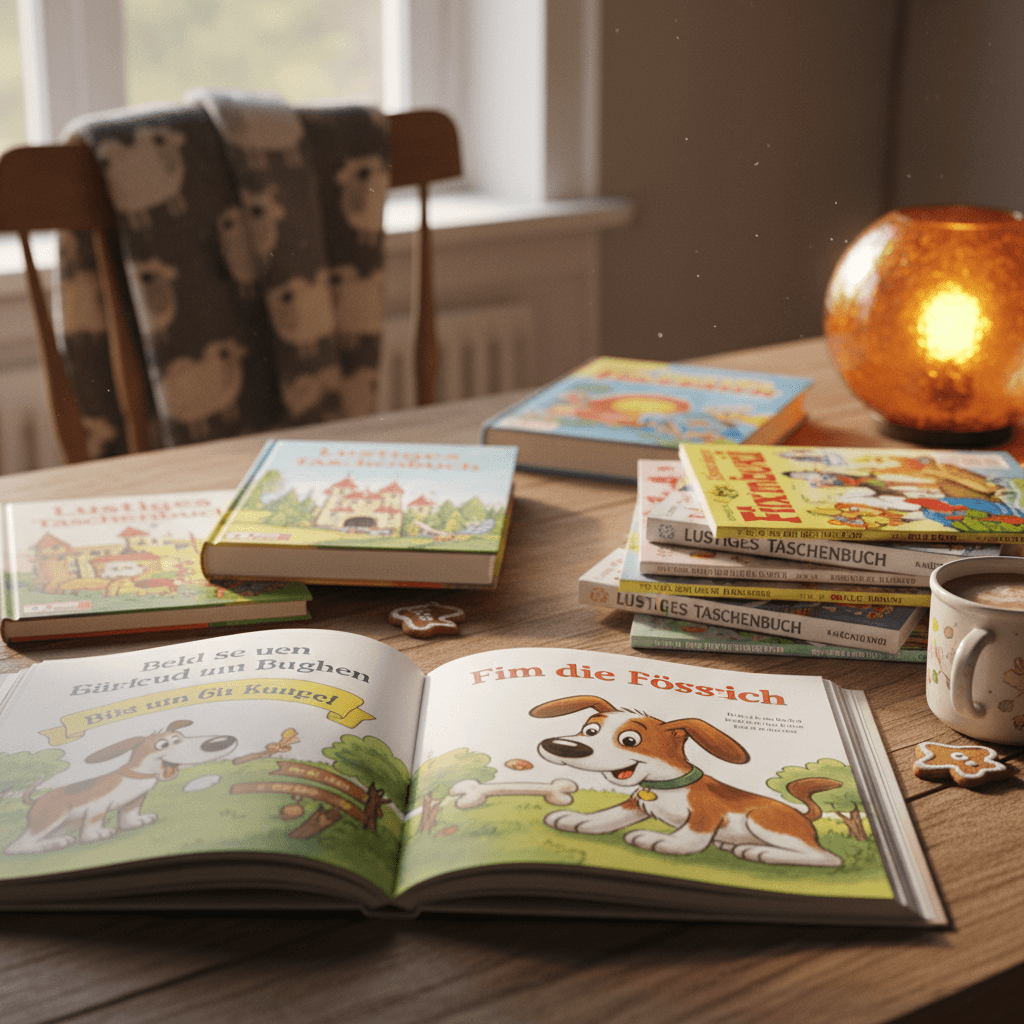
Go find things that were meant for children or people who are just starting out.
Picture Books: This isn't for babies; it's for your brain. The picture tells you the word. You see a drawing of a dog, and the text says Hund. You don't need a translator; you just saw the answer.
Comics: These are great because the sentences are short and the action is obvious.
Stories You Already Know: Find a German version of a book you've read in English five times. Since you already know the plot, your brain doesn't have to work to follow the story. It can focus entirely on how the Germans say things you already understand.
Stop Reaching for the Dictionary
This is the biggest mistake people make. They read one sentence, hit a hard word, and stop to look it up. Don't do that. It kills the magic.
Keep Moving: If you can guess the word from the rest of the sentence, keep going.
Context is King: If the book says, "He took the Gabel and poked his steak," you know what a Gabel is. You don't need a book to tell you it's a fork. You just learned it naturally, like a person, not a computer.
The 10-Time Rule: If you see the same word ten times and it's driving you crazy, then—and only then—look it up.
Listen to "Background" German
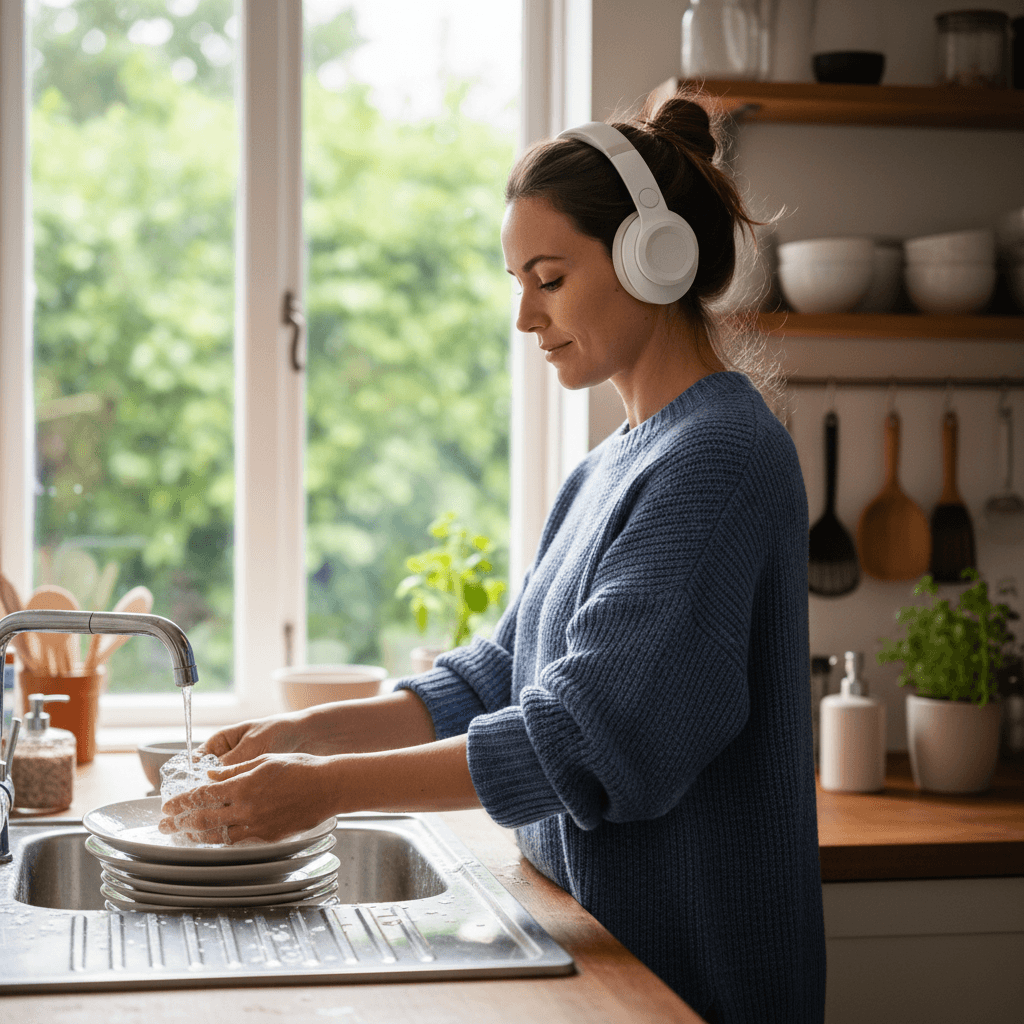
You need to get the "song" of the language into your ears.
Movies You've Seen: Watch an old favorite movie but turn the German audio on. You already know the actors are saying "I'll be back" or "I love you." Hearing it in German (Ich komme wieder) connects the feeling to the new words.
The "Wash" Method: Have German radio or an audiobook playing while you're washing the dishes or folding socks. You don't have to understand every word. You're just training your ears to recognize where one word ends and the next begins.
Be Consistent (and Patient)
You can't do this for five hours on a Sunday and expect results. Your brain needs a daily dose.
- Do 20 minutes of reading something easy.
- Do 20 minutes of listening to something familiar.
- Do it every single day.
If you do this, you'll eventually find that the "easy" books start feeling "too easy." That's when you move up to the next level. It's like lifting weights—don't try to bench press 300 pounds on your first day. Start with the small ones.