700 Most Common Words to Learn Any Language Fast
Master the 700 high-frequency words that cover 80% of daily conversation in any language. The essential vocabulary list for language learners.
Published January 11, 2026 · By Nuru HasanovI always thought learning a new language was a long process.
Mainly because of our education system which takes years to teach the most basic words.
Not to mention online apps that make you repeat the same word again and again even though you already knew the word before using the app.
Then I read an article about Zipf's law about a statistical distribution in linguistics.
It dictates that in any language, a small number of words are used most of the time.
Paul Nation suggests that high-frequency vocabulary covers nearly 80% of daily speech.
Then I did some more search about those words and found a list.
The 700 most frequent words in the language.
Learn these, and you unlock most conversations without forcing yourself to speak before you're ready.
Here's that list. Organized by theme.
The Physical World
Animals

Core: dog, cat, fish, bird, cow, pig, mouse, horse, wing, animal.
Nature & Materials

Core: sea, ocean, river, mountain, rain, snow, tree, sun, moon, world, Earth, forest, sky, plant, wind, soil, flower, valley, root, lake, star, grass, leaf, air, sand, beach, wave, fire, ice, island, hill, heat, nature.
Materials: glass, metal, plastic, wood, stone, diamond, clay, dust, gold, copper, silver, material.
Extra that I added: cloud, storm, shadow, fog, mud, path, silence, darkness, light, rock.
The City & Location
Every place becomes a vocabulary lesson when you're lost.

Core: city, house, apartment, street, road, airport, train station, bridge, hotel, restaurant, farm, court, school, office, room, town, university, club, bar, park, camp, store, shop, theater, library, hospital, church, market, country, building, ground, space, bank, location.
Extra that I added: bakery, pharmacy, border, corner, capital, village, kiosk, cinema, playground, embassy.
Transportation

Core: train, plane, car, truck, bicycle, bus, boat, ship, tire, gasoline, engine, ticket, transportation.
Extra that I added: subway, tram, delay, seat, traffic, platform, station, driver.
Domestic Life
Home & Electronics

Core: table, chair, bed, dream, window, door, bedroom, kitchen, bathroom, pencil, pen, photograph, soap, book, page, key, paint, letter, note, wall, paper, floor, ceiling, roof, pool, lock, telephone, garden, yard, needle, bag, box, gift, card, ring, tool.
Tech: clock, lamp, fan, cell phone, network, computer, program, laptop, screen, camera, television, radio.
Extra that I added: blanket, pillow, heater, candle, charger, battery, internet, mirror, couch, trash.
Food & Beverages
You learn food words quickly when you're hungry and can't read the menu.
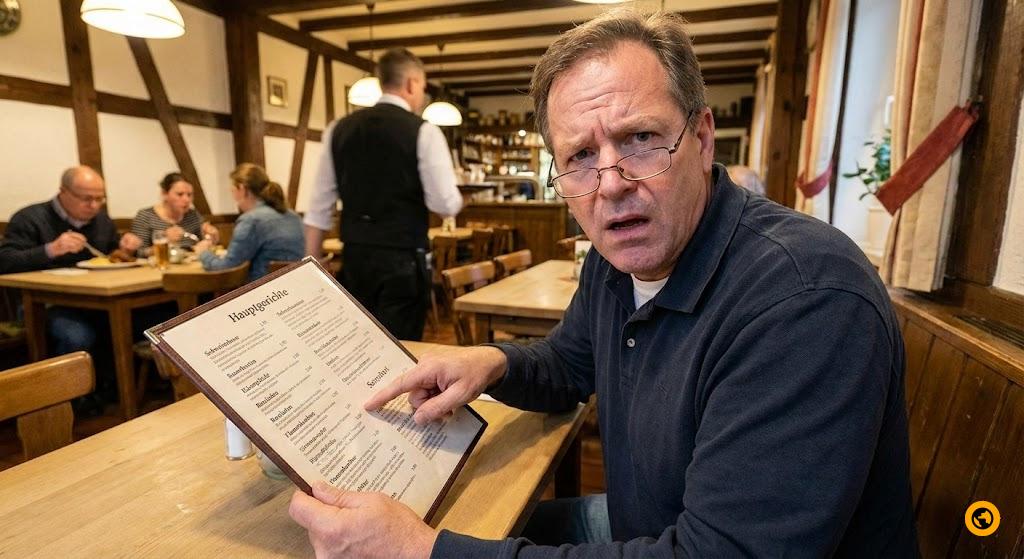
Core food: egg, cheese, bread, soup, cake, chicken, pork, beef, apple, banana, orange, lemon, corn, rice, oil, seed, knife, spoon, fork, plate, cup, breakfast, lunch, dinner, sugar, salt, bottle, food.
Core drinks: coffee, tea, wine, beer, juice, water, milk, beverage.
Extra that I added: potato, sausage, chocolate, vegetables, fruit, hunger, thirst, noodles, butter, snack.
Clothing
You learn these words or freeze.

Core: hat, dress, suit, skirt, shirt, T-shirt, pants, shoes, pocket, coat, stain, clothing.
Extra that I added: scarf, gloves, boots, umbrella, glasses, laundry, zipper, button, sweater, socks.
The Self and Others
Body & Health
When you feel sick and can't explain it, these words become urgent.

Core: head, neck, face, beard, hair, eye, mouth, lip, nose, tooth, ear, tear, tongue, back, toe, finger, foot, hand, leg, arm, shoulder, heart, blood, brain, knee, sweat, disease, bone, voice, skin, body.
Extra that I added: stomach, throat, pain, flu, medicine, tired, sleep, breath, muscle, fever.
People & Jobs
You need to know who people are before you can talk to them.

Core people: son, daughter, mother, father, parent, baby, man, woman, brother, sister, family, grandfather, grandmother, husband, wife, king, queen, president, neighbor, boy, girl, child, adult, human, friend, victim, player, fan, crowd, person.
Core jobs: teacher, student, lawyer, doctor, patient, waiter, secretary, priest, police, army, soldier, artist, author, manager, reporter, actor, job.
Extra that I added: colleague, stranger, boss, partner, guest, tourist, enemy, leader, worker, nurse.
Abstract Concepts
Society & Bureaucracy
You cannot survive without these words.
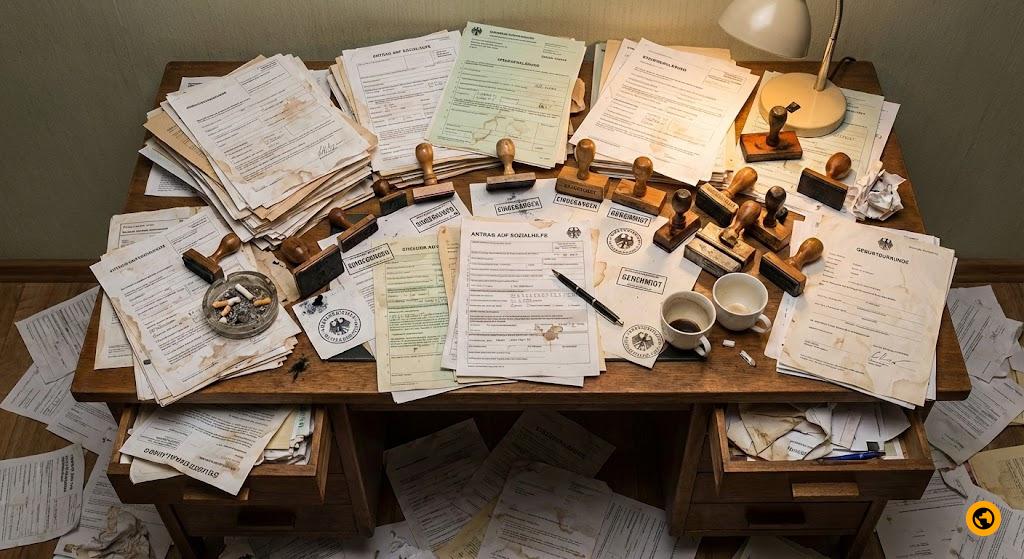
Core: religion, heaven, hell, death, medicine, money, dollar, bill, marriage, wedding, team, race, sex, murder, prison, technology, energy, war, peace, attack, election, magazine, newspaper, poison, gun, sport, exercise, ball, game, price, contract, drug, sign, science, God.
Extra that I added: appointment, form, signature, document, tax, insurance, rule, law, cash, receipt.
Time & Numbers
Time words unlock everything. "When?" becomes answerable.
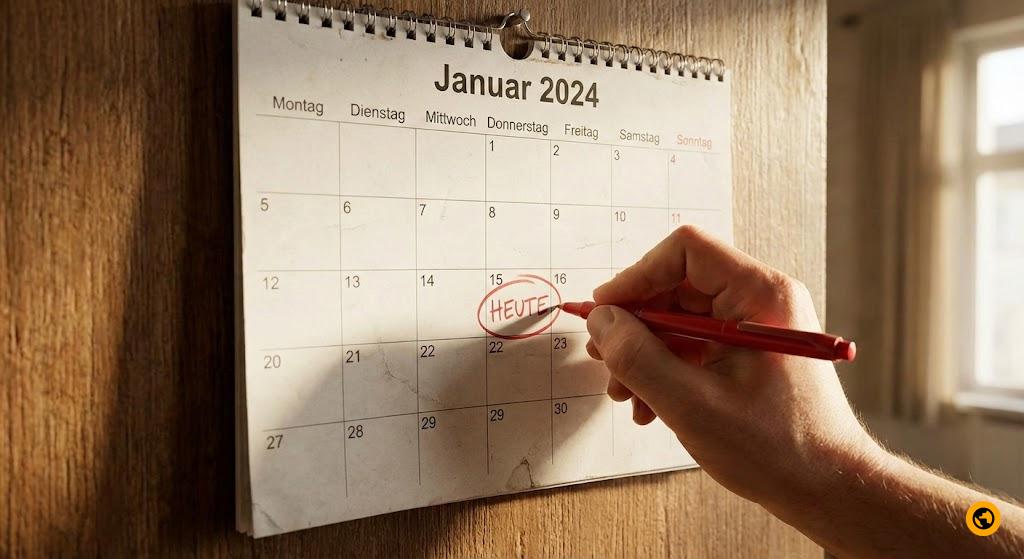
Core: year, month, week, day, hour, minute, second, morning, afternoon, evening, night, time.
Include: Numbers 0-1000+, days of the week, months, seasons.
Extra that I added: yesterday, today, tomorrow, now, later, early, late, history, future, moment.
Colors & Math
Colors make the world specific. Math makes it measurable.
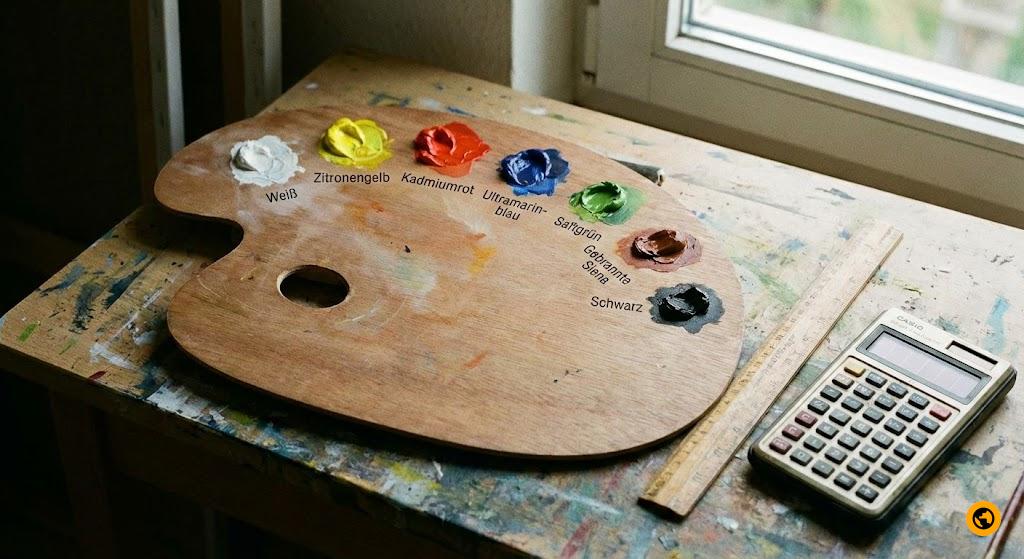
Colors: red, green, blue, yellow, brown, pink, orange, black, white, gray, color.
Math: meter, centimeter, kilogram, inch, foot, pound, half, circle, square, temperature, date, weight, edge, corner.
Extra that I added: purple, shape, size, percent, angle, distance, volume, amount, total, nothing.
Action and Description
Verbs
Verbs are the engine. Without them, you're stuck describing nouns forever.
Core: work, play, walk, run, drive, fly, swim, go, stop, follow, think, speak, say, eat, drink, kill, die, smile, laugh, cry, buy, pay, sell, shoot, learn, jump, smell, hear, listen, taste, touch, see, watch, kiss, burn, melt, dig, explode, sit, stand, love, pass by, cut, fight, lie down, dance, sleep, wake up, sing, count, marry, pray, win, lose, mix, stir, bend, wash, cook, open, close, write, call, turn, build, teach, grow, draw, feed, catch, throw, clean, find, fall, push, pull, carry, break, wear, hang, shake, sign, beat, lift.
Extra that I added: understand, explain, wait, hope, fear, try, need, want, believe, decide, remember, forget, forgive, help, invite.
Adjectives & Directions
Adjectives add color. Directions keep you from getting lost.

Core adjectives: long, short, tall, wide, narrow, big, large, small, little, slow, fast, hot, cold, warm, cool, new, old, young, weak, dead, alive, heavy, light, dark, nuclear, famous.
Misc: map, dot, consonant, vowel, light, sound, yes, no, piece, pain, injury, hole, image, pattern, noun, verb, adjective.
Directions: top, bottom, side, front, back, outside, inside, up, down, left, right, straight, north, south, east, west, direction.
Pronouns: I, you, he, she, it, we, they.
Extra that I added: happy, sad, angry, busy, free, quiet, loud, polite, rude, easy, difficult, important, safe, dangerous, possible.
How to Actually Learn Them
Don't just memorize. Feel them.
Emotion makes memories stick. Make the words matter to you.
Use spaced repetition. But more importantly?
Use them when they hurt. When they comfort. When they mean something.
That's when they become yours.